
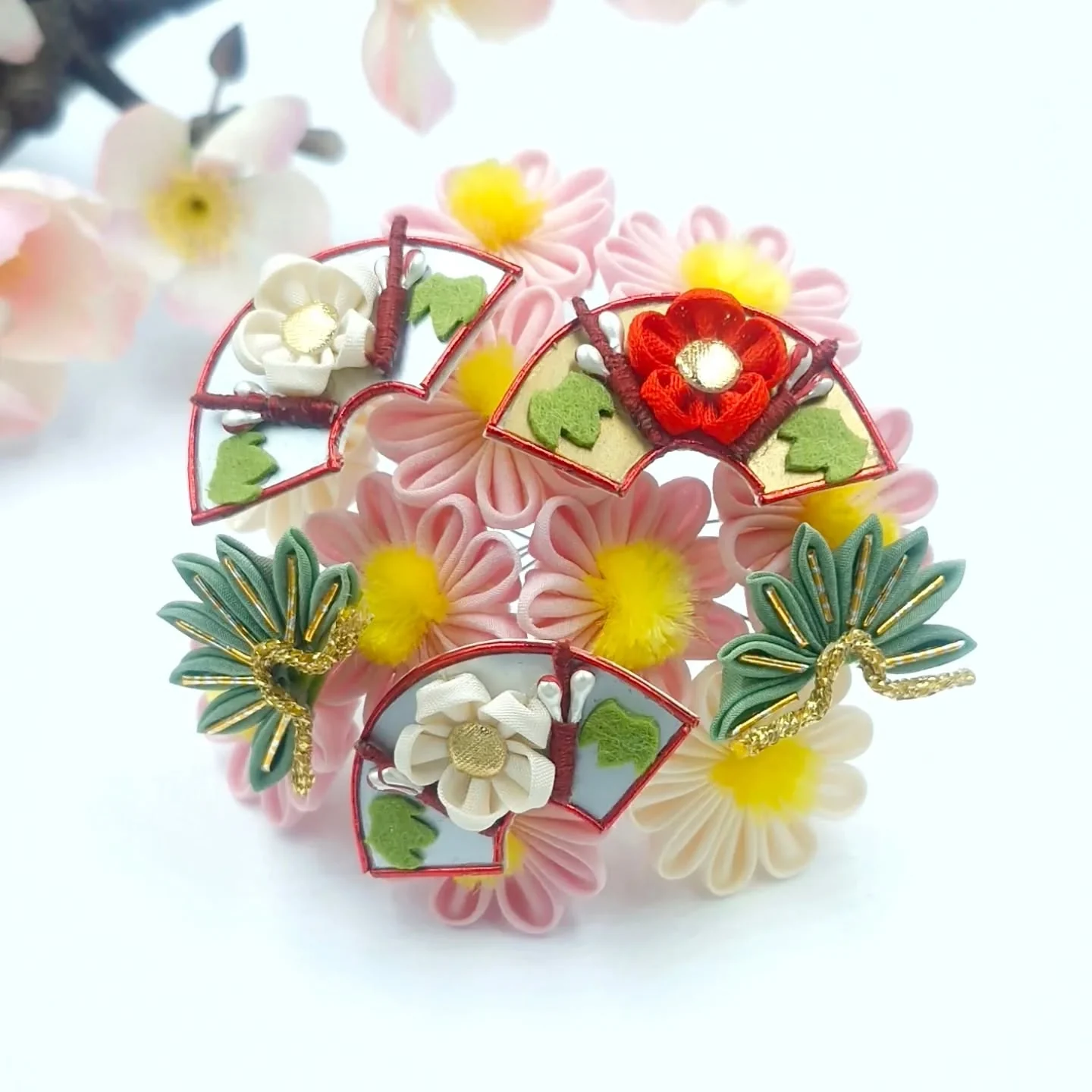
Every ornament is a small piece of the Land of Cherry Blossoms, taking you back to the picturesque streets of old Kyoto.
Wisteria Gardens invites you on a journey into the world of Japanese elegance. Discover original, one-of-a-kind jewellery designs made with meticulous attention to detail from genuine silk and handmade paper from Japan.
The collection includes hairpins and combs made using the traditional tsumami zaiku technique, as well as pendants, earrings and bracelets made with washi chiyogami paper.
Tsumami Zaiku
Tsumami zaiku is a craft technique with a history of more than 300 years. It resembles origami, but uses fabric — above all silk — instead of paper.
Gallery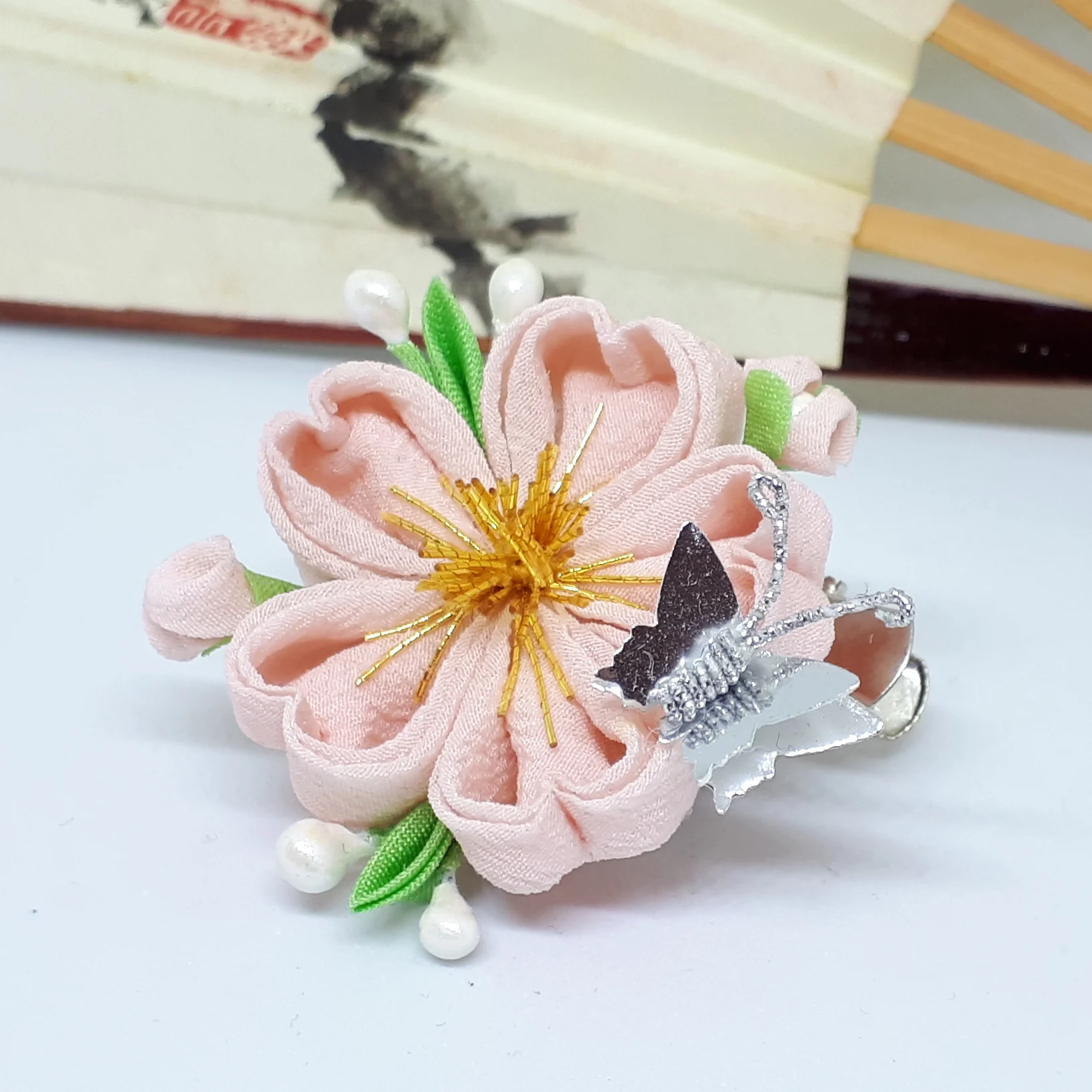
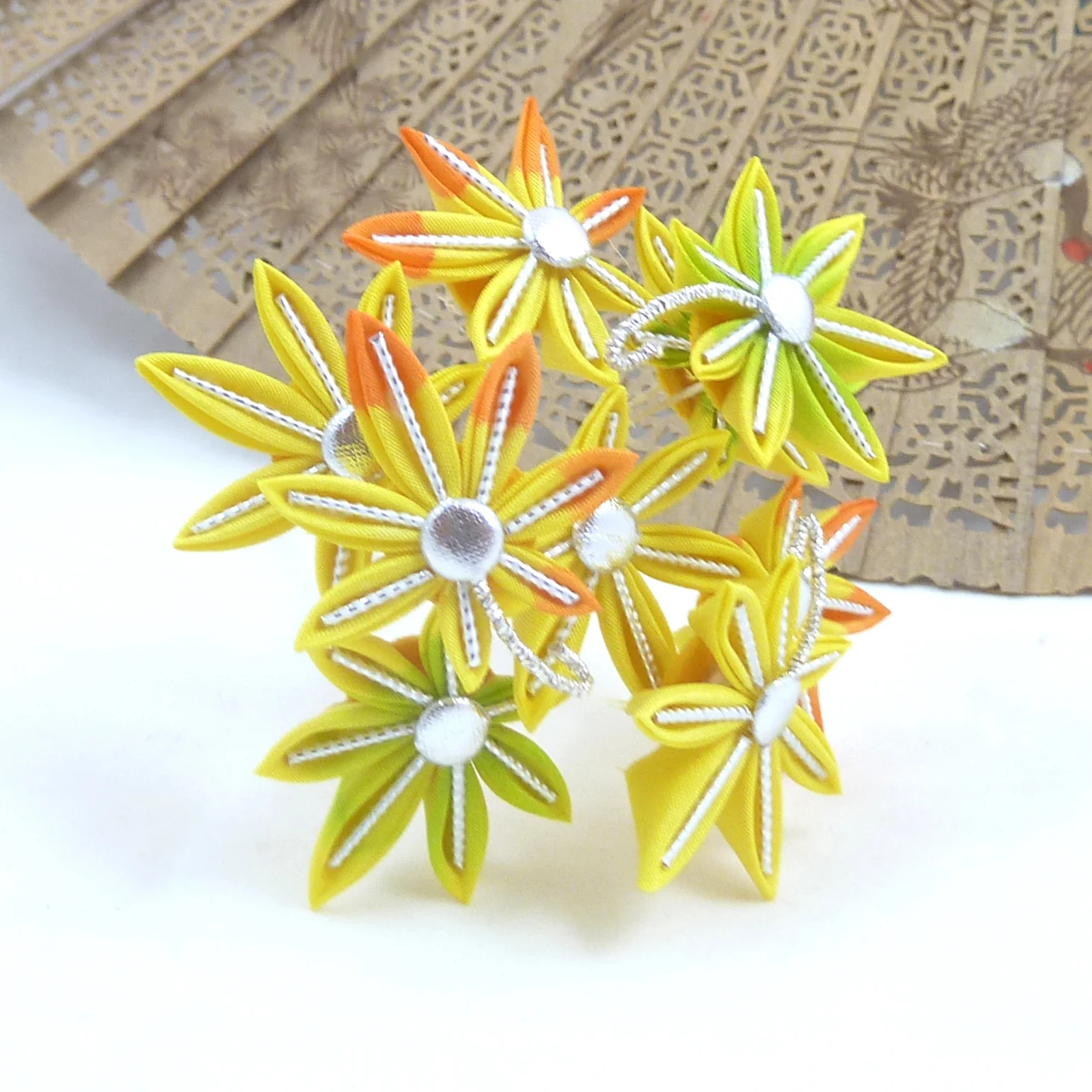
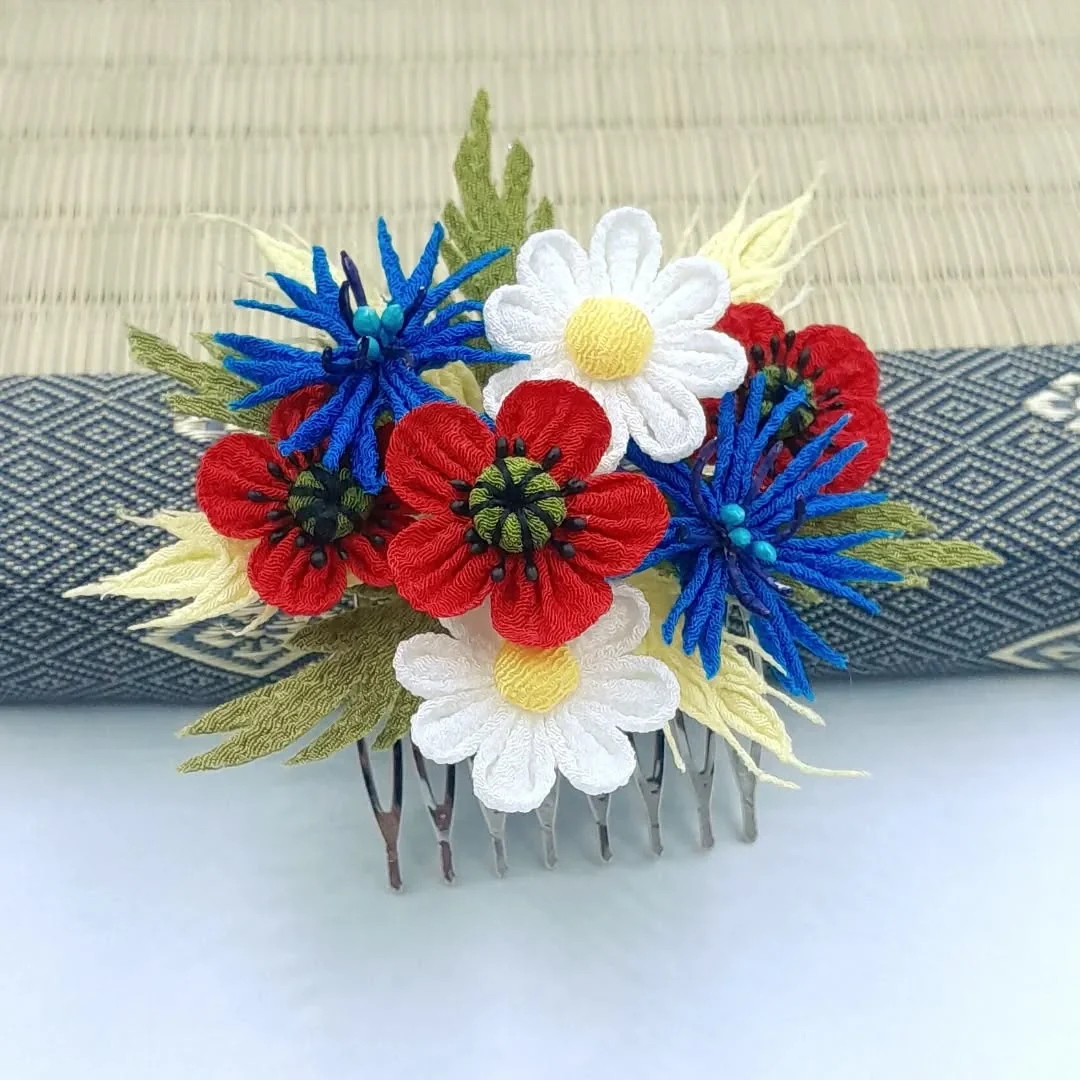
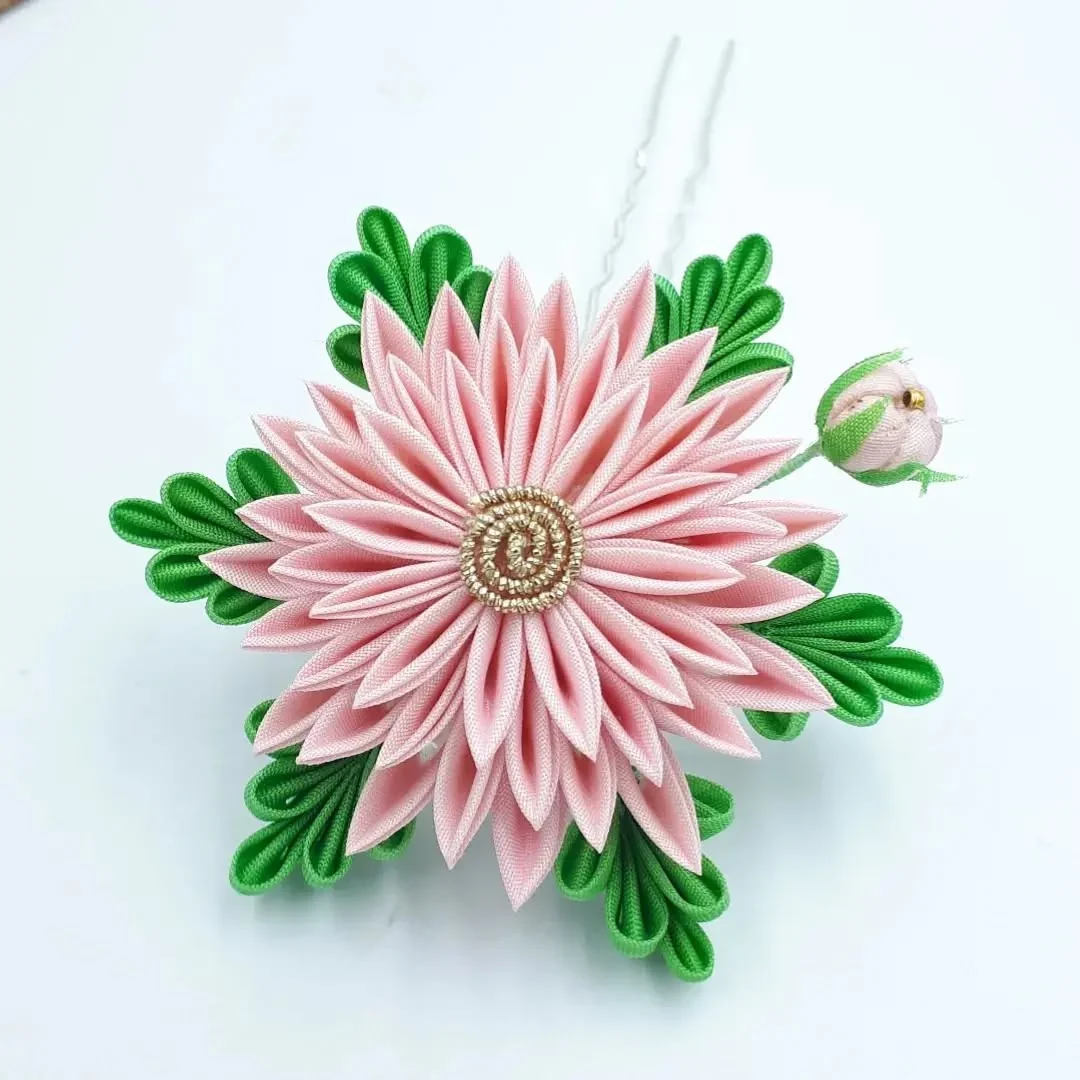
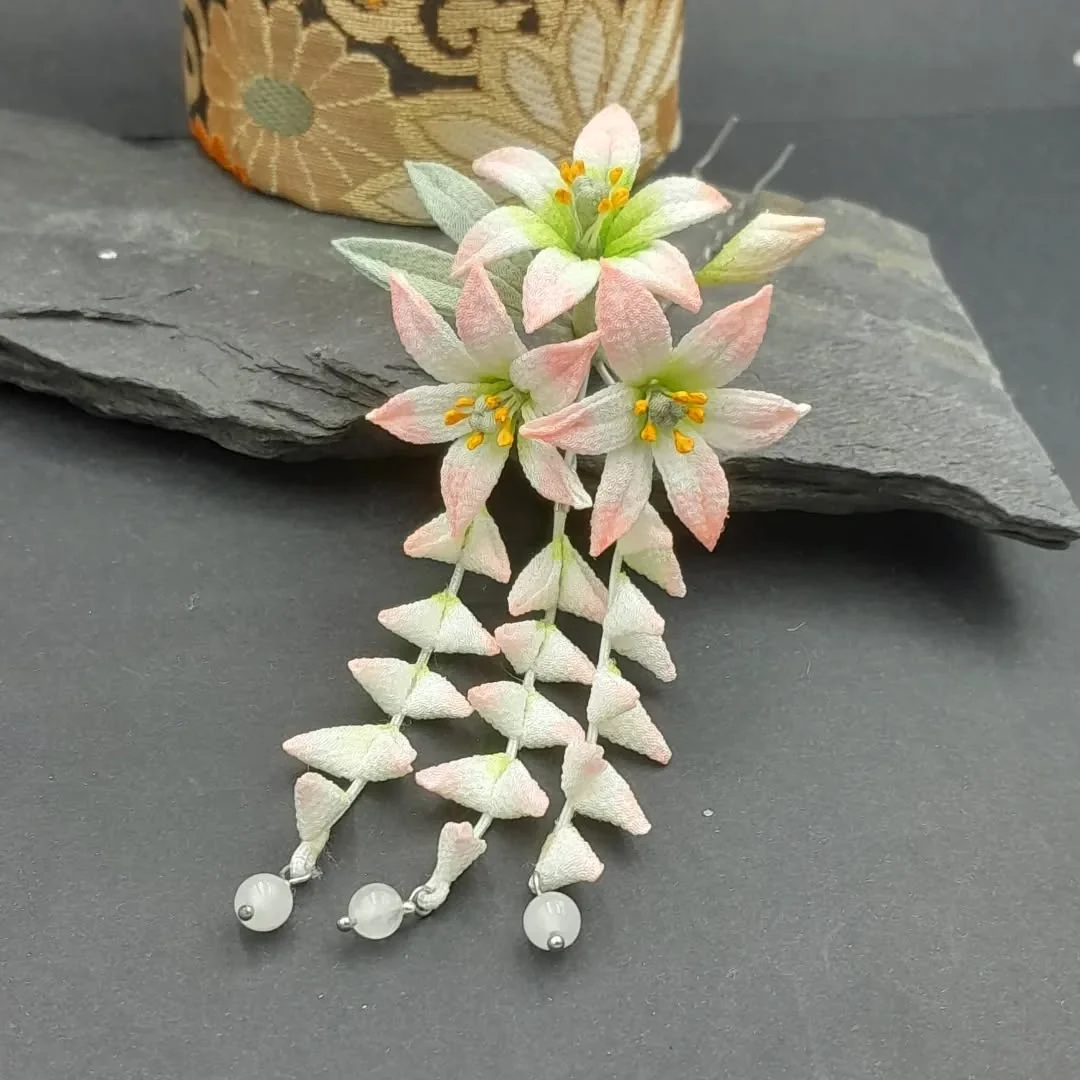
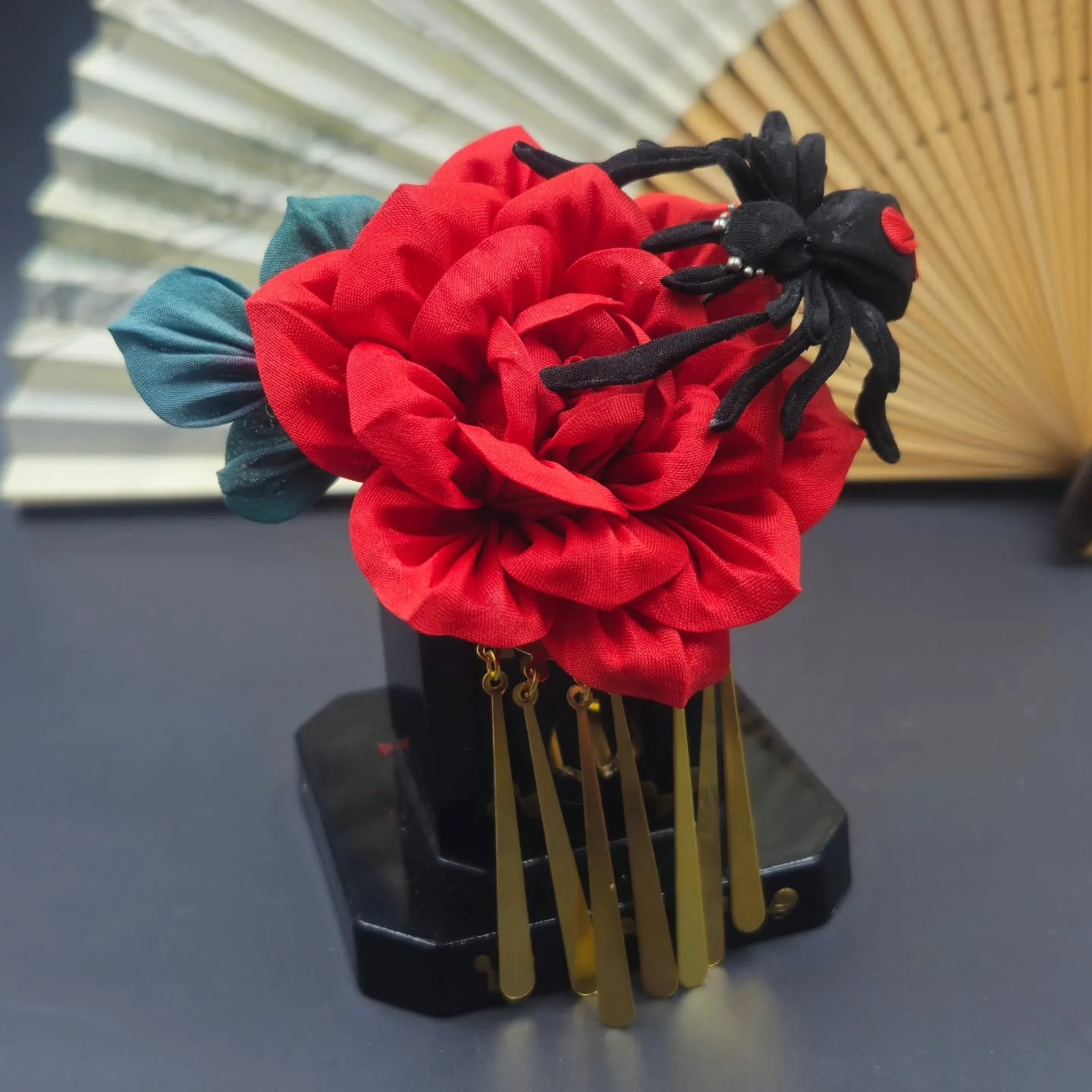
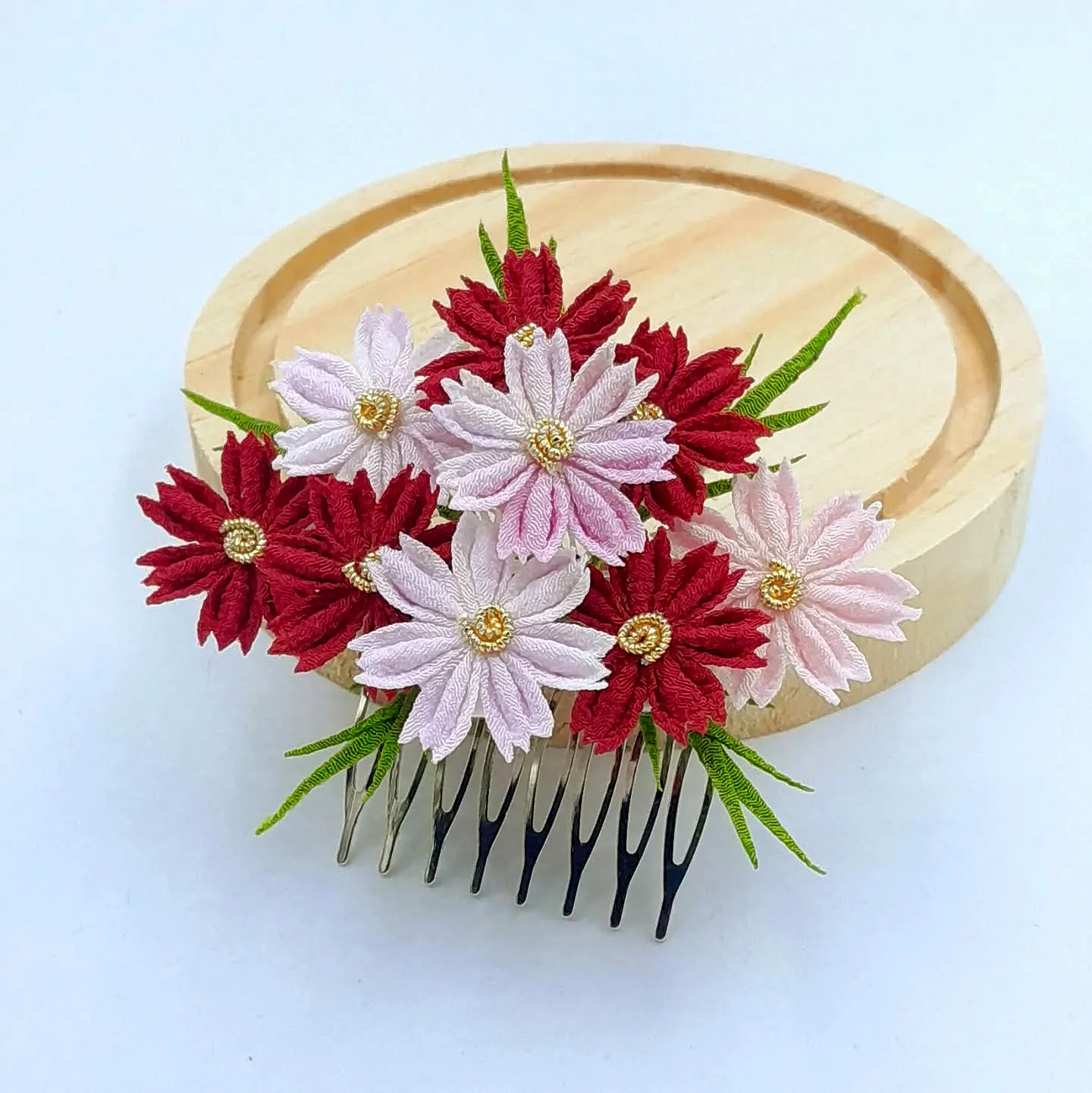
Tsumami zaiku (つまみ細工) is a traditional Japanese craft dating back to the 17th century. Tiny squares of silk are folded with tweezers and rice-paste glue to form petals, which are then assembled into intricate flowers.
The technique developed in Kyoto in the 17th century, during a flourishing period of court and urban culture.
According to legend, it was invented by a samurai who wanted to give his daimyo an exceptional gift.
With Japan’s modernization in the 19th and 20th centuries, and the decline of traditional hairstyles and kimono, the popularity of tsumami zaiku diminished. In Kyoto, however, the technique never disappeared entirely: it was passed down through generations of craft families, remaining essential to the traditional appearance of maiko and geiko.
Until recently, the technique was at risk of being forgotten because it was chiefly associated with ornaments worn by maiko — apprentice geisha.
Fortunately, this has changed thanks to the dedication of the remaining masters and people who have helped popularize the technique as a hobby.
Today, tsumami zaiku is enjoying a revival both in Japan and worldwide. Alongside classical kanzashi, artisans create contemporary jewellery, clothing accessories and interior decorations.
In 2020, the technique was included on a Japanese list of intangible cultural heritage, acknowledging its significance.
The Chibigami Collection
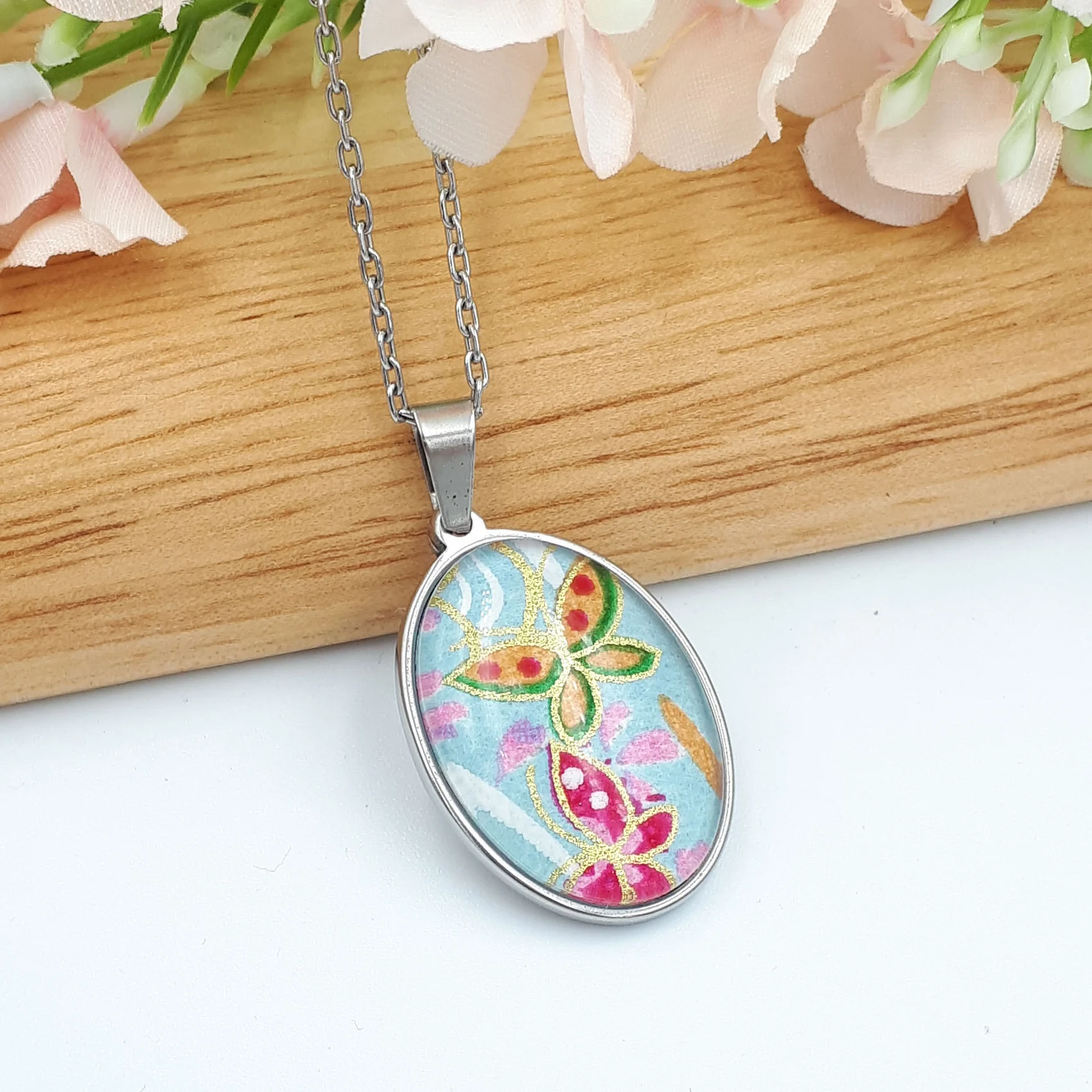
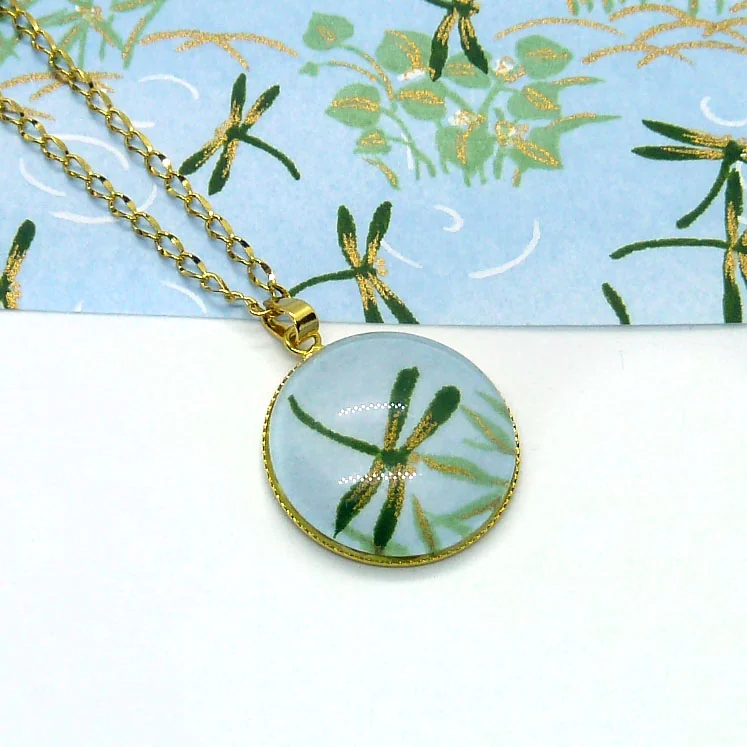
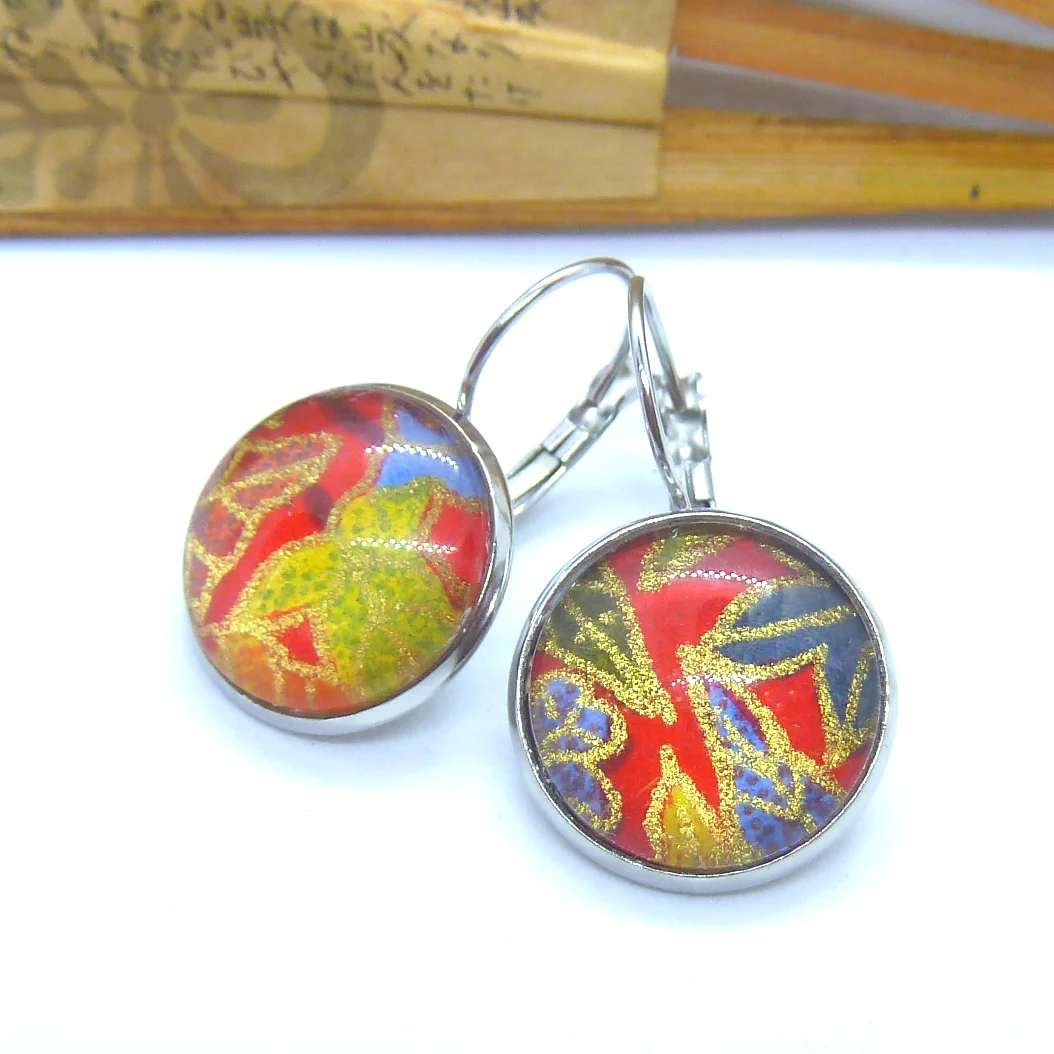
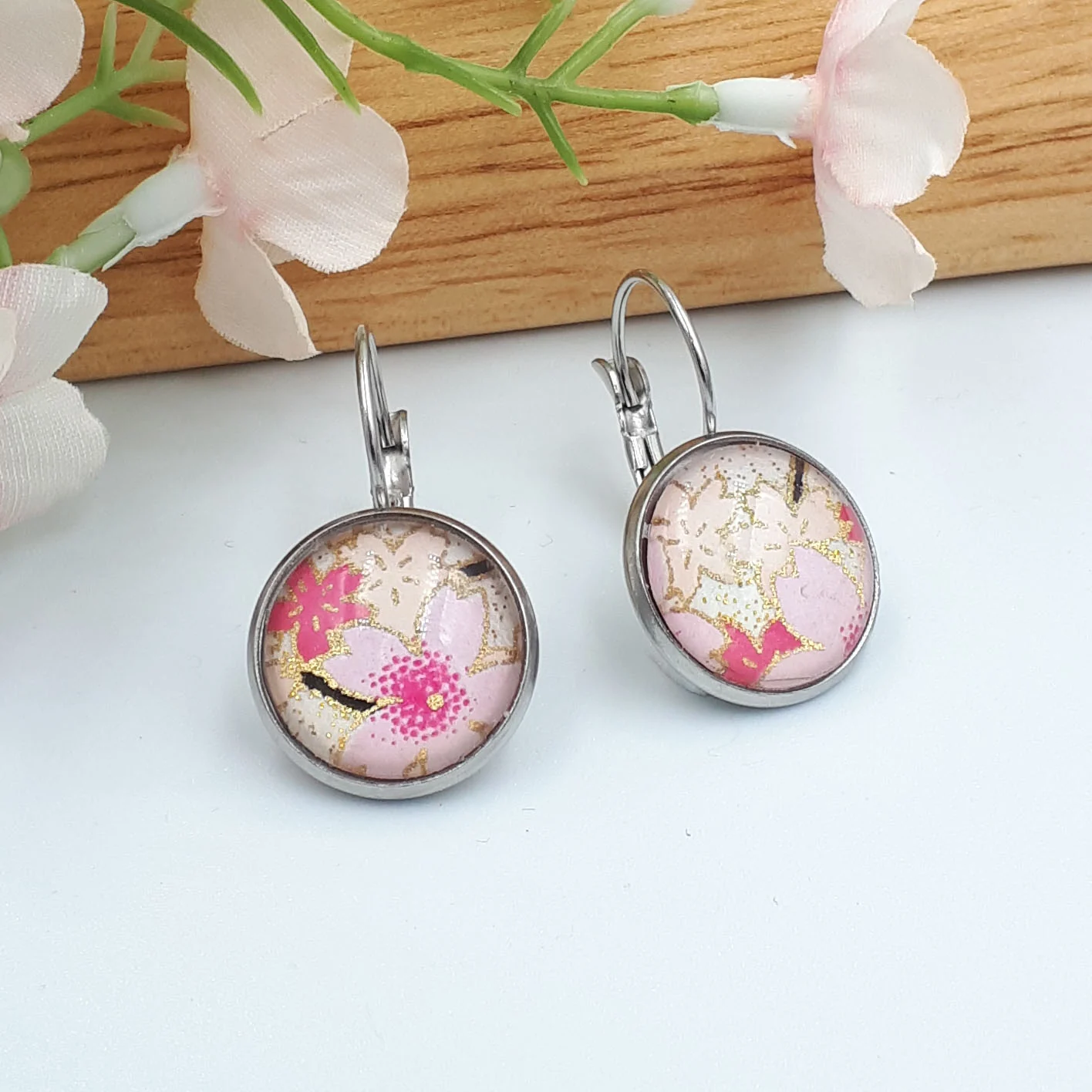
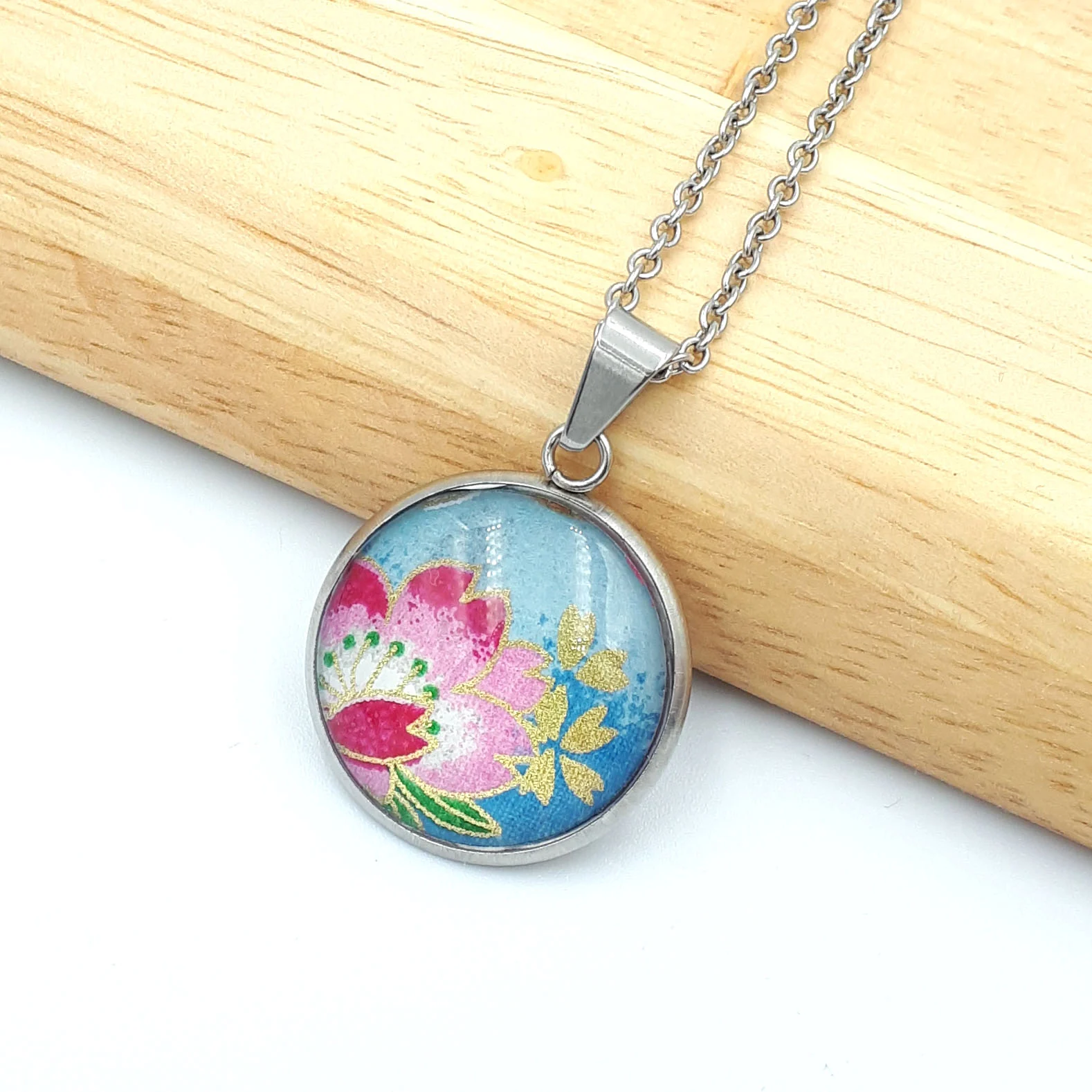
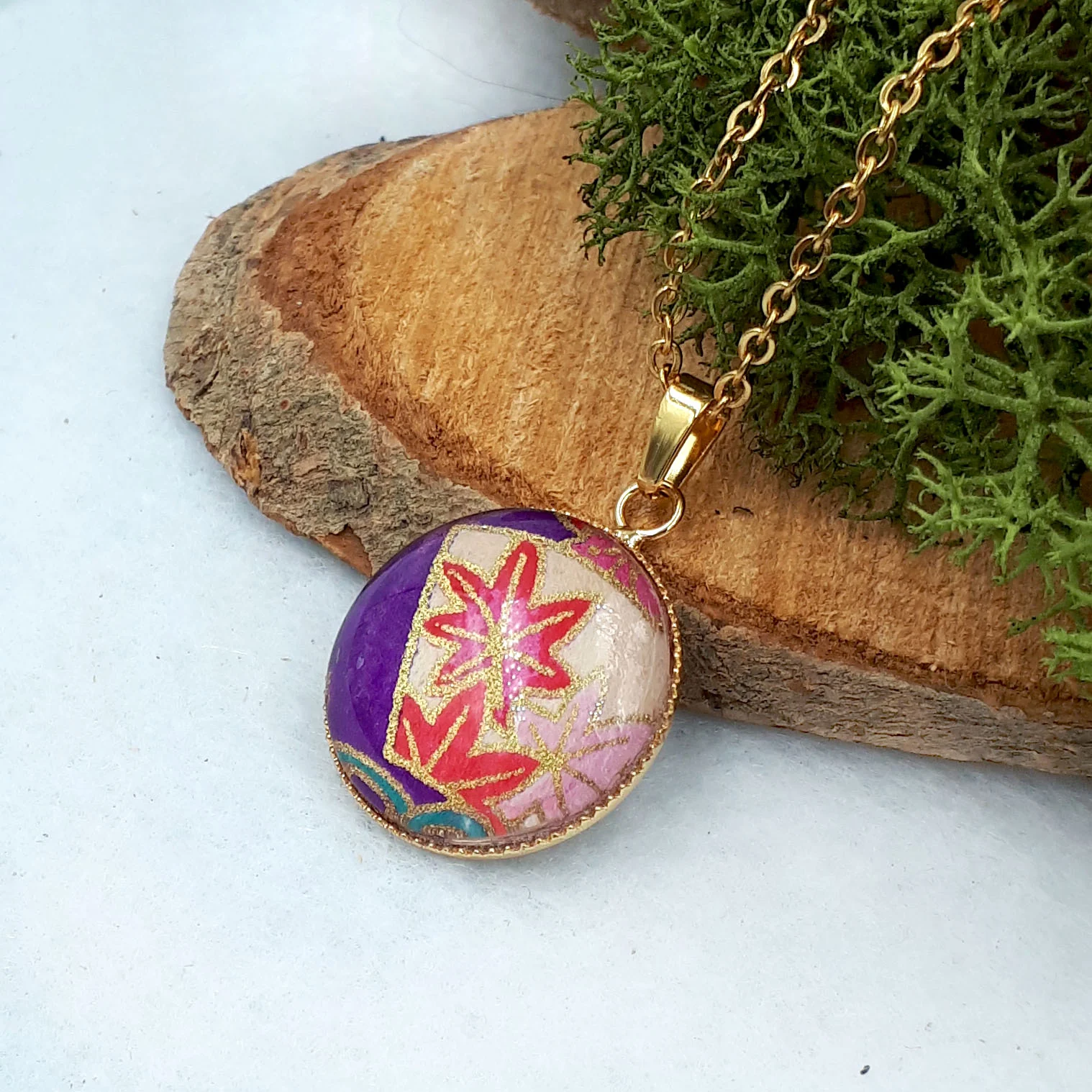
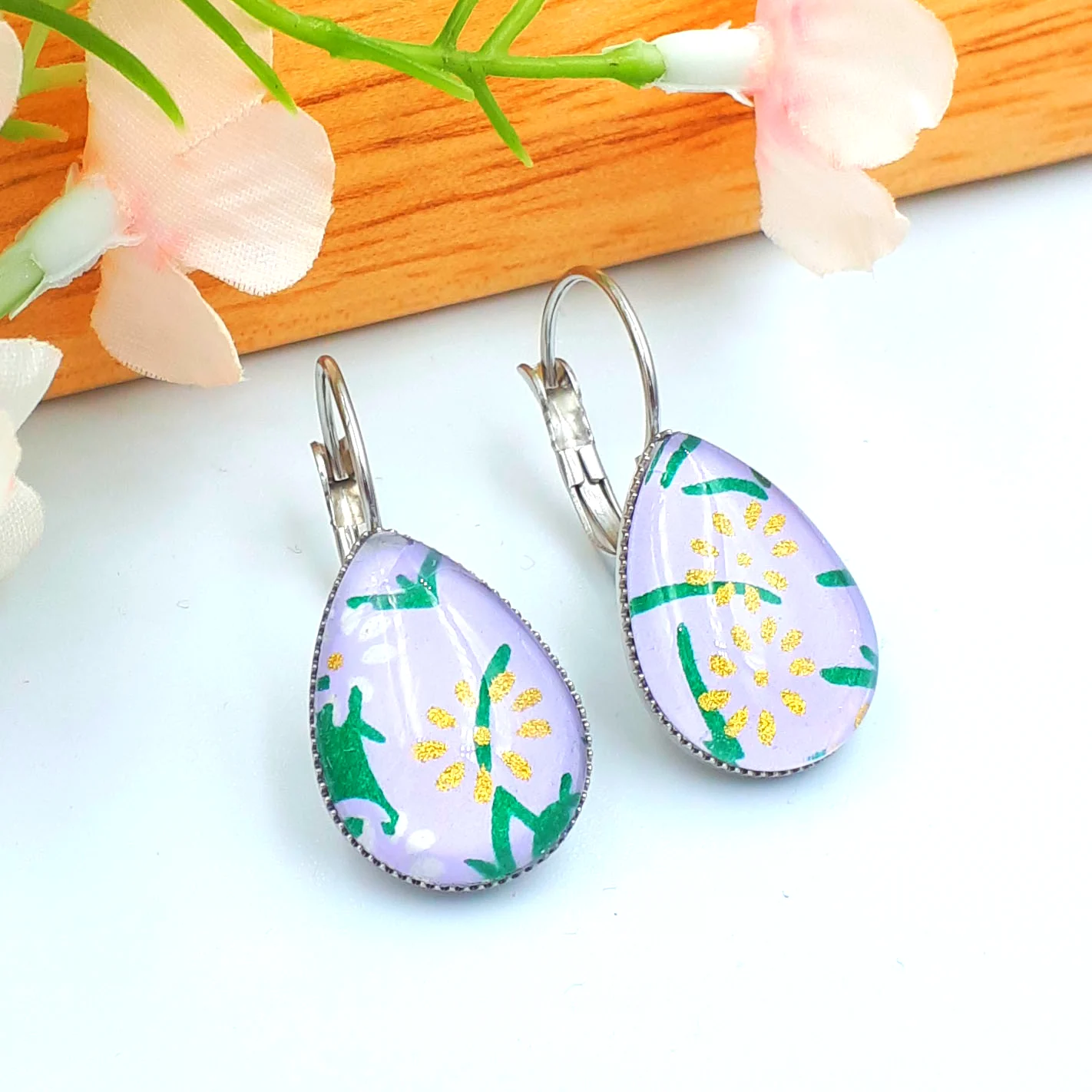
The Chibigami Collection combines contemporary, elegantly simple stainless-steel jewellery with colourful, handmade washi chiyogami papers, whose traditional patterns carry rich symbolism.
Washi literally means “Japanese paper”. It is traditionally handmade from plant fibres such as paper mulberry (kozo), mitsumata and gampi. It has a remarkably delicate texture and exceptional durability — much stronger than ordinary paper.
Chiyogami is a type of washi decorated with traditional patterns inspired by kimono. Its production tradition dates back to the 17th century.
Washi chiyogami has many uses in handicrafts: besides origami, it is used for jewellery, boxes, fans and decorative packaging.
Kinga Owczarska
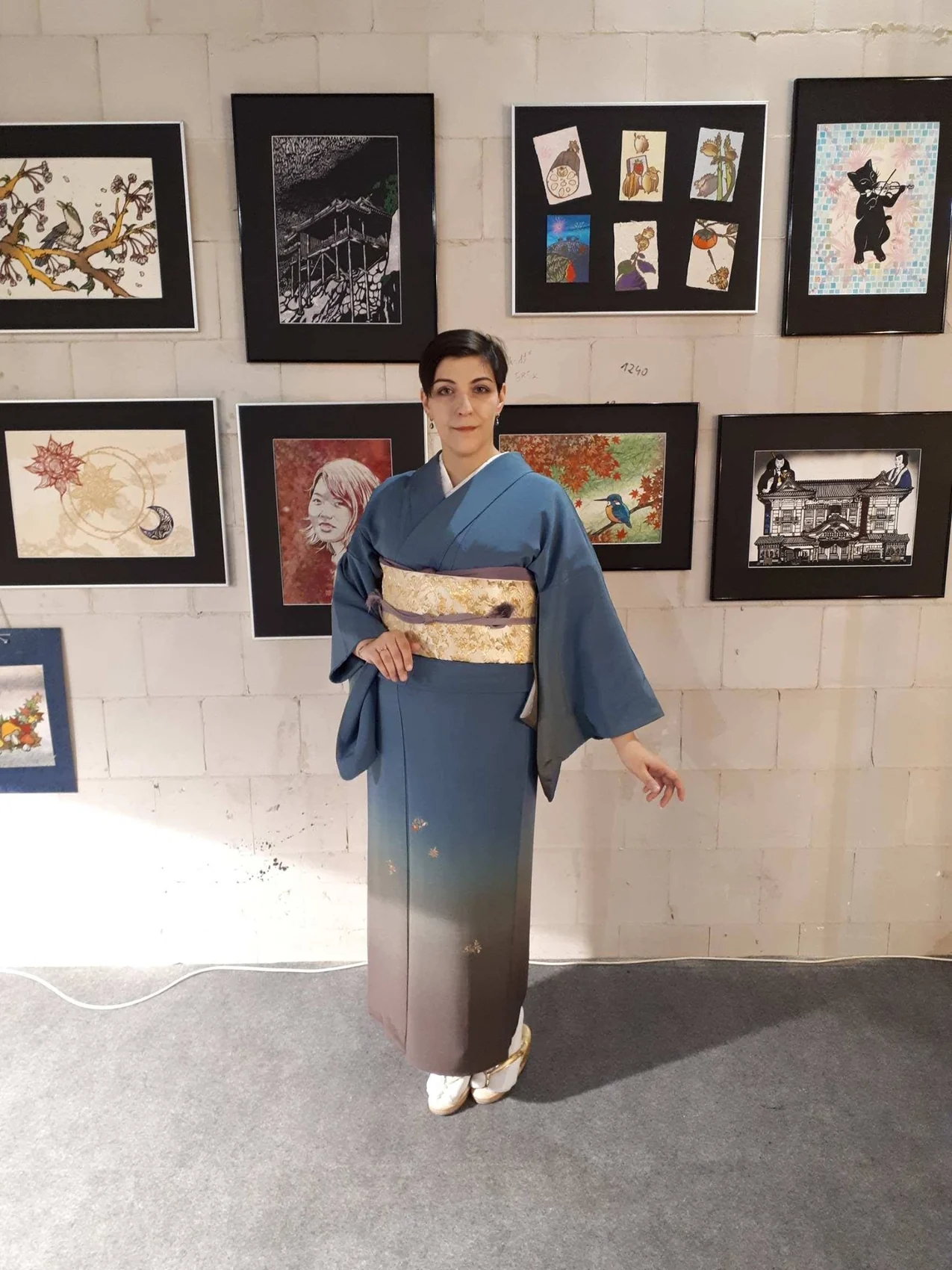
Kinga Owczarska is a Polish artist working in traditional crafts, specializing in tsumami zaiku — the Japanese art of making fabric ornaments, primarily with silk and rice-paste glue.
Since 2015, she has run her own brand, Wisteria Gardens, offering handmade accessories and jewellery inspired by Japanese art.
She has been developing her interest in tsumami zaiku since around 2008, beginning on DeviantArt under the name Arleen.
In 2010–2011, she gave talks and held workshops on traditional Japanese dress (kitsuke) at conventions in Poland, including Japanicon in Poznań and Animatsuri in Warsaw.
In 2013, she founded the “Kimono de Jack” meet-ups in Warsaw and conducted workshops and exhibitions, including at the Manggha Museum and the Embassy of Japan in Warsaw.
Her work has also been presented at events including Pyrkon in Poznań (2018) and Japanese Days in Łódź (2019).
Contact
Explore more work, follow new pieces, or visit the shop.